KT0280 Keyes New RFID Starter Kit
Before starting the projects, please click the link to download the code, library files, and PDF tutorial.
1.Introduction
Keyes RFID Starter Kit is an Arduino-compatible development kit designed for beginners and electronics enthusiasts. This kit contains multiple sensors and modules to help you get started quickly and practice a variety of basic and intermediate electronics projects.
2.Features
1. User-Friendliness: Arduino is popular for its simplicity and ease of use, allowing users to get started without needing advanced programming or electronic expertise.
2. Abundant Component Modules: The kit includes various modules like LEDs, sensors, displays, and motors, enabling users to undertake diverse projects.
3. Detailed Tutorials: It offers detailed tutorials for 40 projects, covering working principles, code, and wiring diagrams to help users gradually master the basics.
4. Versatile Applications: The kit supports the creation of a wide range of projects, from basic temperature monitoring to complex smart home systems, greatly expanding its applicability.
5. Expandability: Beyond the basic projects in the tutorials, users can explore and develop more advanced applications based on personal interests. This flexibility significantly enhances the kit’s practical value.
3.Component List
|
|
|
|
|
|---|---|---|---|---|
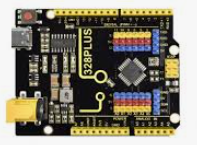
328 Plus board*1 |
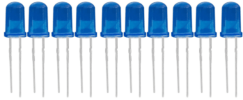
LED - Blue*5 |
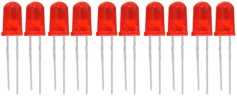
LED - Red*5 |
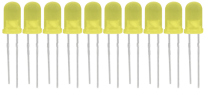
LED - Yellow*5 |
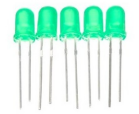
LED - Green*5 |
|
|
|
|
|
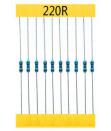
220Ω Resistor*10 |
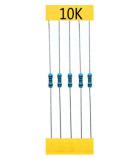
10KΩ Resistor*10 |
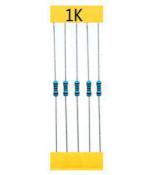
1KΩ Resistor*10 |
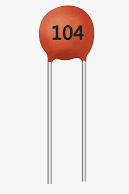
100NF capacitor *1 |
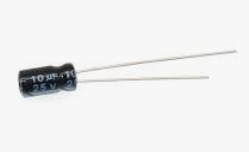
10μF capacitor *1 |
|
|
|
|
|
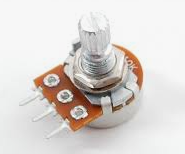
10KΩ Potentiometer*1 |
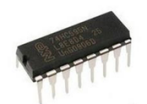
IC 74HC595N *1 |
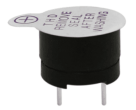
Buzzer (Active)*1 |
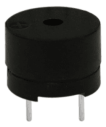
Buzzer (Passive)*1 |
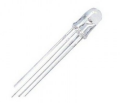
LED - RGB*1 |
|
|
|
|
|
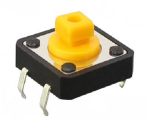
Button Switch*4 |
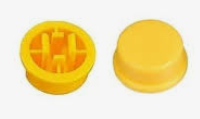
Button Switch hat*4 |
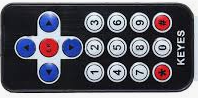
IR Remote Control*1 |
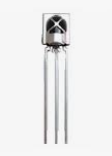
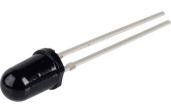
IR receiver*1 |
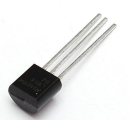
LM35 Temp Sensor*1 |
|
|
|
|
|
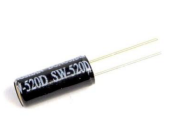
Ball Tilt Sensor*2 |
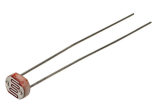
Photo Cell*2 |
Flame Sensor*1 |
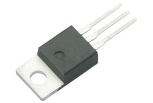
TIP122 Transistor*1 |
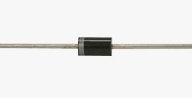
1N4007 diode*1 |
|
|
|
|
|
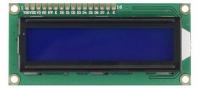
1602 LCD *1 |
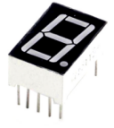
1 Tube Display*1 |
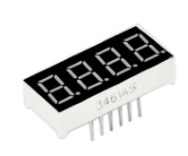
4 Tube Display*1 |
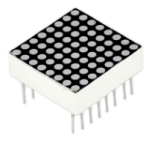
8*8 LED Matrix*1 |
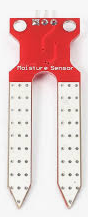
Soil Humidity Sensor |
|
|
|
|
|
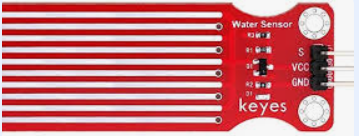
water level sensor*1 |
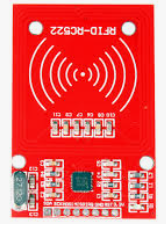
RFID Reader Module |
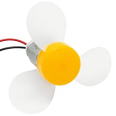
130 Motor Propeller*1 |
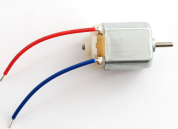
130 Dc Motor*1 |
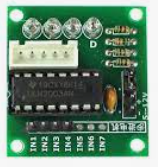
Stepper Driver*1 |
|
|
|
|
|
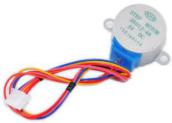
Stepper Motor*1 |
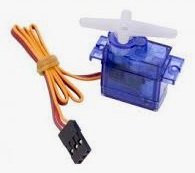
Servo Motor*1 |
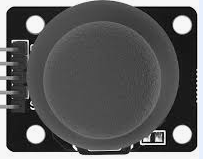
Joystick Module*1 |
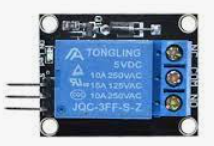
5V relay Module*1 |
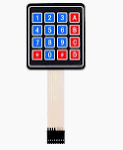
4*4 Membrane keypads*1 |
|
|
|
|
|
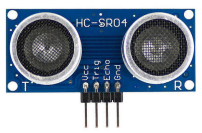
HC-SR04 Ultrasonic*1 |
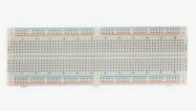
830-hole Breadboard*1 |
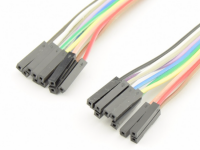
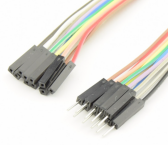
Fto F Dupont Wire*10 |
Flexible jumper Wire*65 |
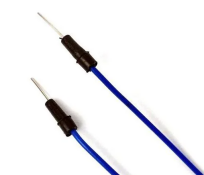
MtoF Dupont Wire*10 |
|
|
|
|
|
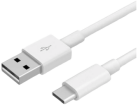
Type c USB Cable*1 |
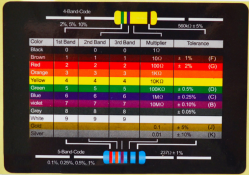
Resistor card |
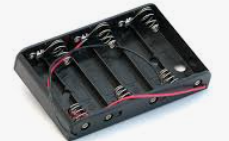
9v Battery holderr*1 |
RFID Card*1 |
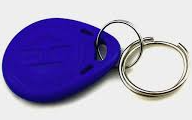
RFID Key*1 |

4.Getting started with Arduino
WHAT IS ARDUINO?
Arduino is an open-source electronics platform based on easy-to-use hardware and software. It’s intended for anyone making interactive projects.
ARDUINO SOFTWARE
You can tell your Arduino what to do by writing code in the Arduino programming language and using the Arduino development environment.
1. Download Arduino IDE
A. Windows System
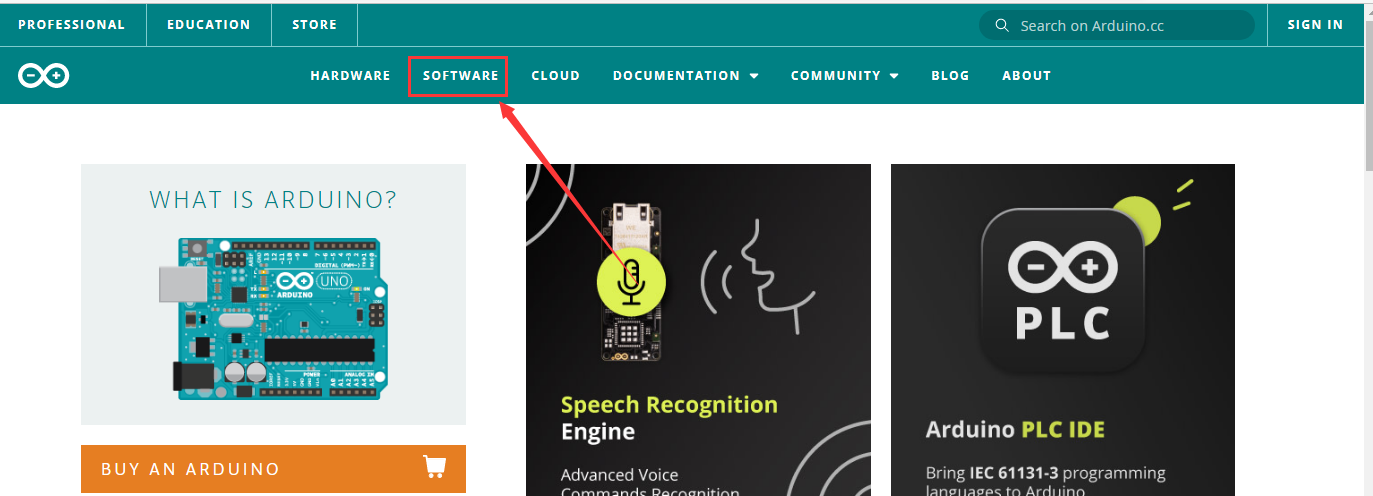
You could download Arduino IDE from the official website: https://www.arduino.cc/
Enter the link and click SOFTWARE:
There are various versions of IDE for Arduino. Just download a version compatible with your system.
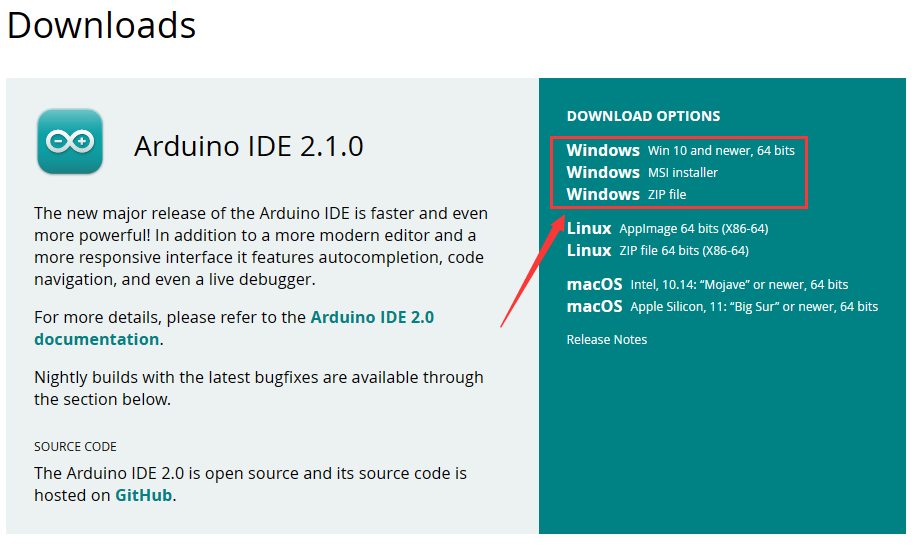
Here we will show you how to download and install the windows version of Arduino IDE.
There are two versions of IDE for WINDOWS system. You can choose between the installer (.exe) and the Zip file. For installer, it can be directly downloaded, without the need of installing it manually while for Zip package, you will need to install the driver manually.
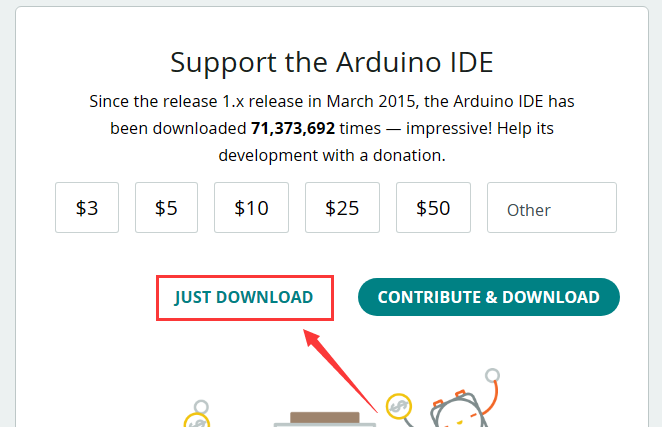
You just need to click JUST DOWNLOAD.
B. Mac System
The versions of Arduino IDE vary from operation systems.
For how to download Arduino IDE on Mac, please refer to Windows:
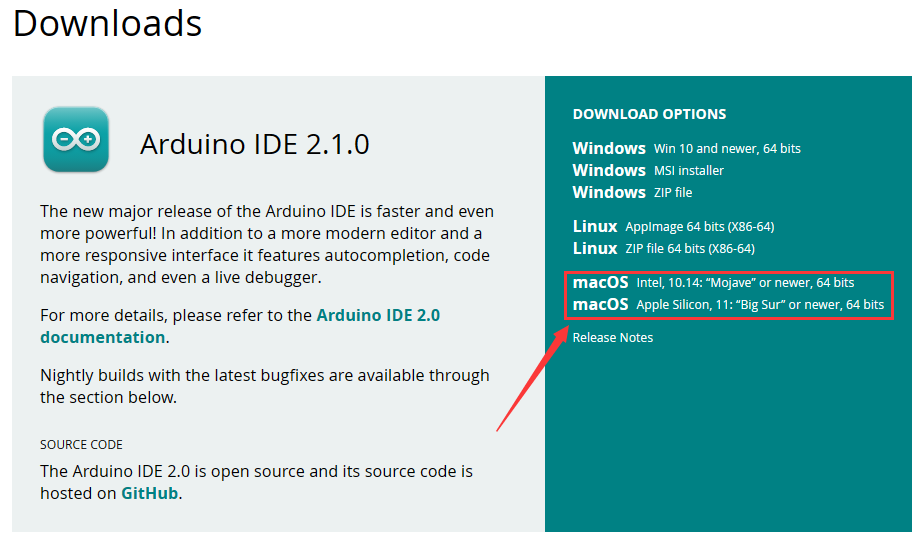
After downloading, double-click to open it and follow the installation instructions.
C.Detailed installation steps:
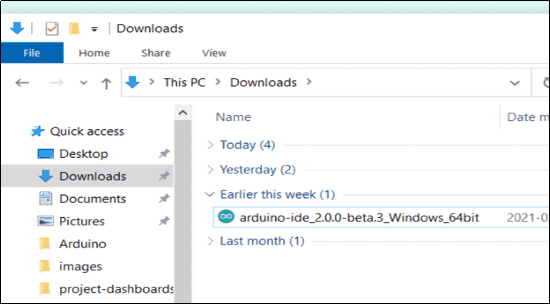
1.Save the .exe file downloaded from the software page to your hard drive and simply run the file .
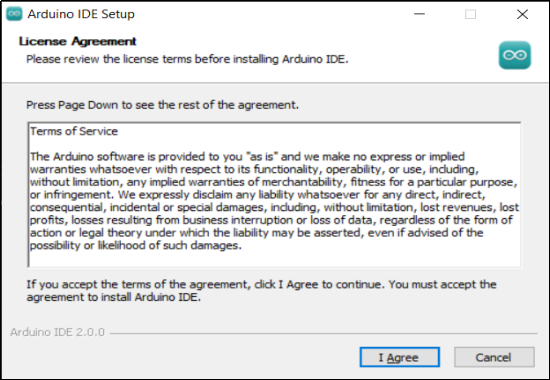
2.Read the License Agreement and agree it.
3.Choose the installation options.
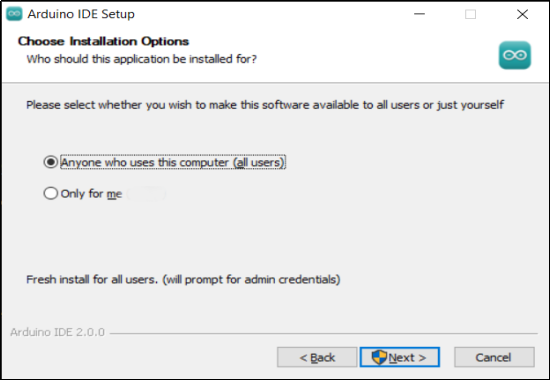
4.Choose the install location.
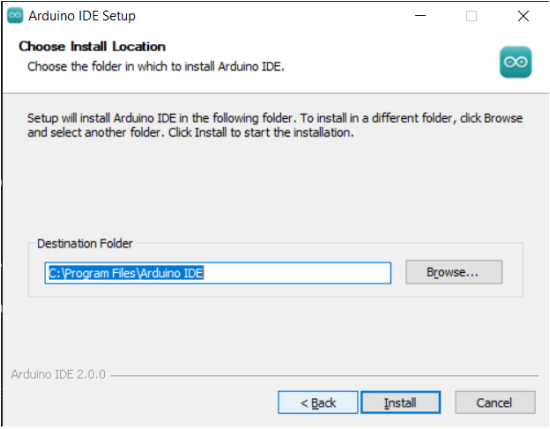
5.Click finish and run Arduino IDE
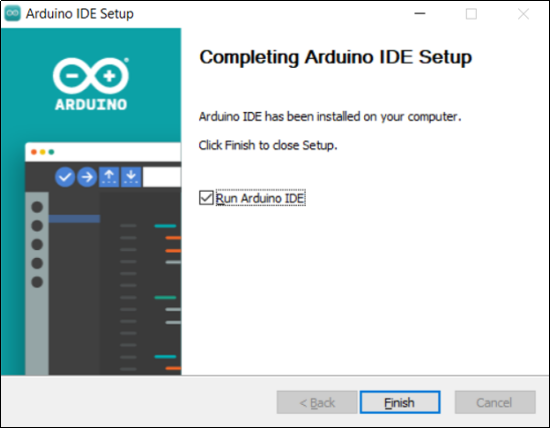
2. Install Driver
We need a driver to boot our development board. Or else, the COM port connected to computer will not be found.
Install CH340 Driver on Windows System
Download: https://fs.keyestudio.com/CH340-WINDOWS
Windows 10 (and later systems) boasts their own drivers, so there is no need to install additional drivers.
Connect the control board to your computer.
Click Computer– Properties – Device Manager, as shown below. This indicates a successful connection, so the installation of driver is not required.
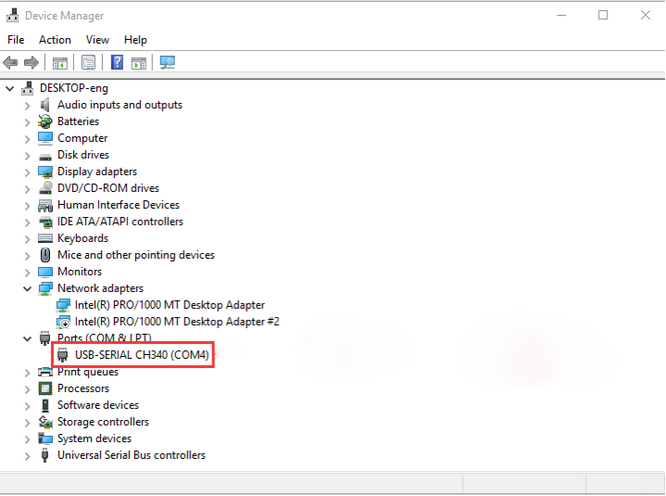
If the following situation occurs, you need to manually install the driver.
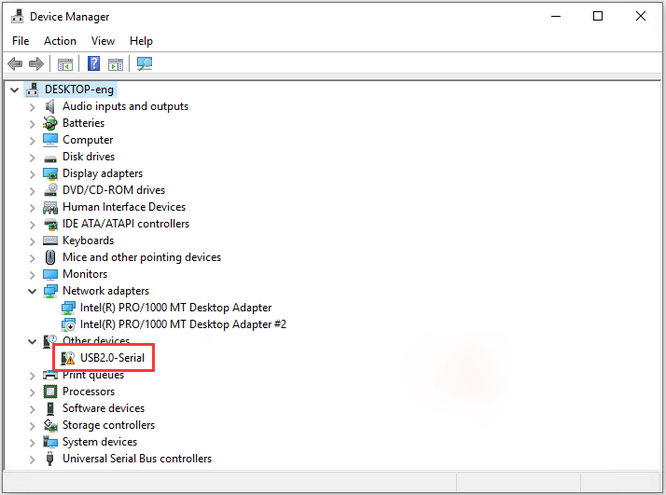
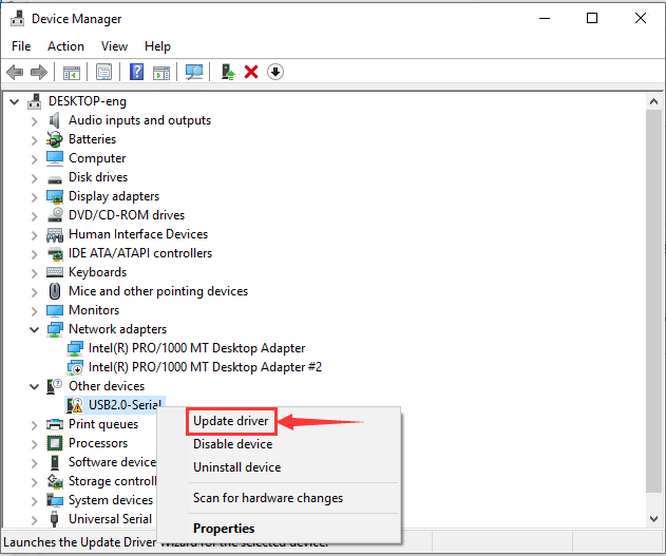
Click  to select “Update driver”. And then the driver will start to install.
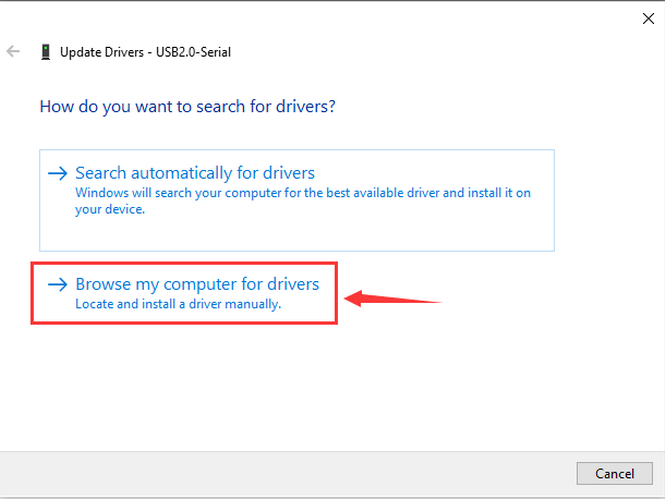
Tap “Browse my computer for drivers”.
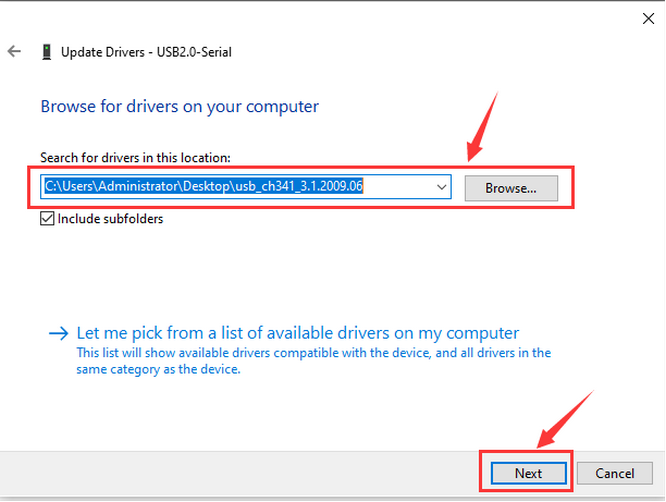
Find the file usb_ch341_3.1.2009.06 or cp210x you have downloaded, and click “Next”.
After finishing installing, click “Close” and the serial port number will show up.
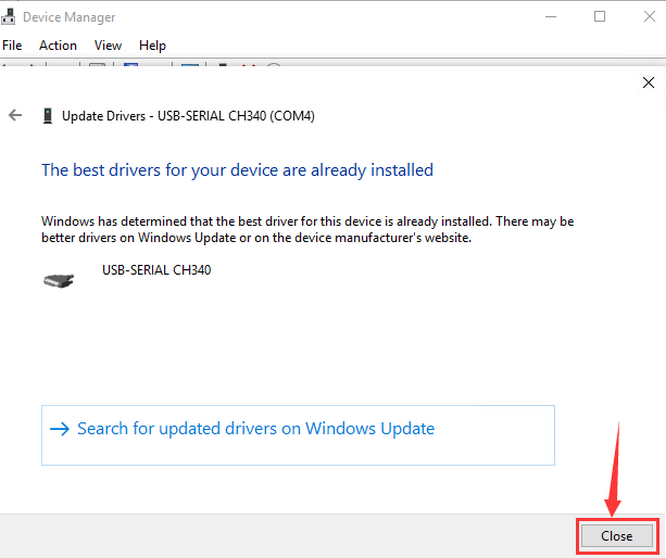
The driver is successfully installed!
Click Computer– Properties – Device Manager to check:
Install CH340 Driver on MAC System
Step 1: Download the driver from the Website and extract the file to the local installation directory.
https://fs.keyestudio.com/CH340-MAC
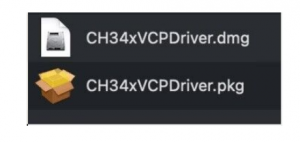
Step 2: For details about how to install the driver in pkg format by default, see Step 3. If OS X 11.0 or later does not support Rosetta, refer to Step 4 to install the dmg driver.
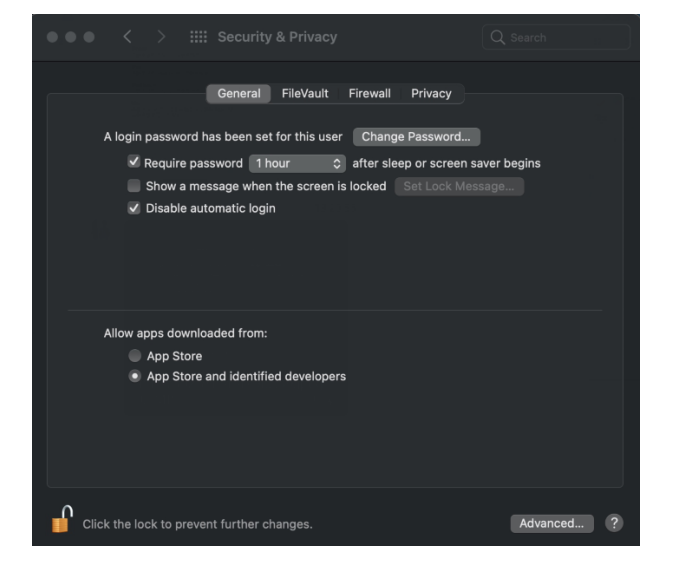
Before installation, please forward to “System Preferences” -> “Security & Privacy” -> “General” page, below the title “Allow apps downloaded from:” choose the choice 2 -> “Mac App Store and identified developers”, then the driver will work normally.
Step 3: To install the driver in pkg format, tap the driver file → Continue→ Install
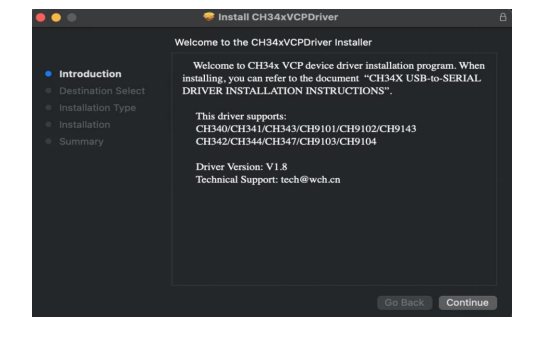
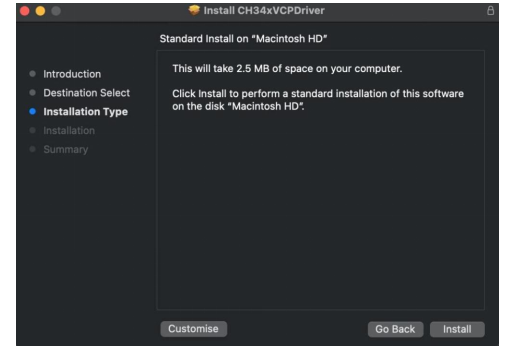
Then the installation will be successful.
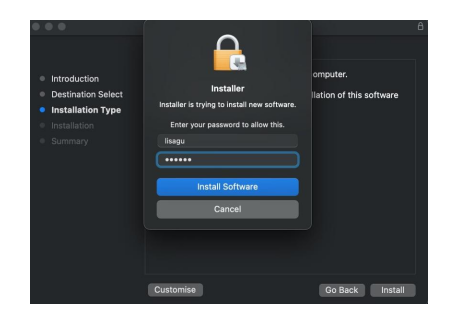
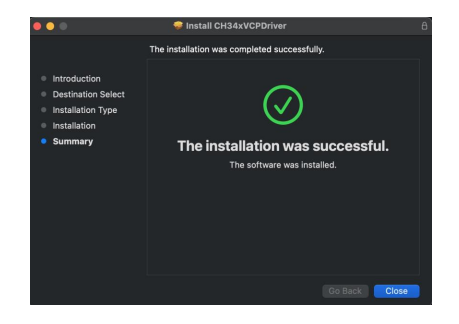
To install the pkg format driver on OS X 11.0 and later: Open “LaunchPad” → “CH34xVCPDriver” → Install.
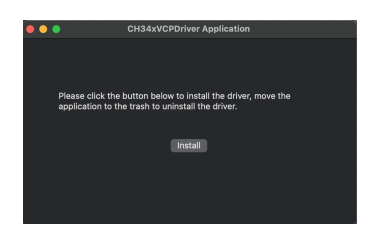
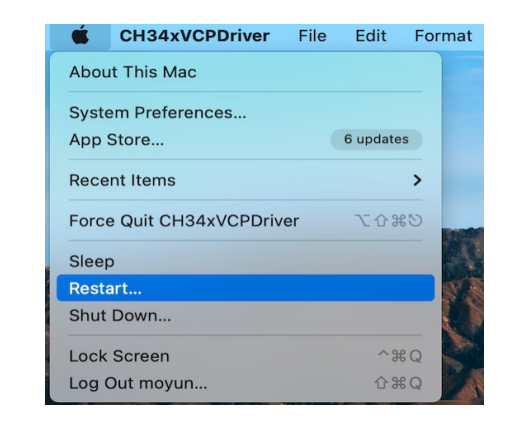
When using OS X 10.9 to OS X 10.15, click “Restart” to restart your computer, and perform the following steps after the restart.
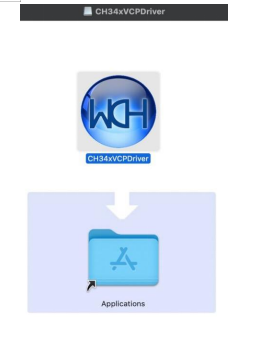
Step 4: To install the dmg driver, tap the dmg file and drag “CH34xVCPDriver” to enter the application folder in the operating system.
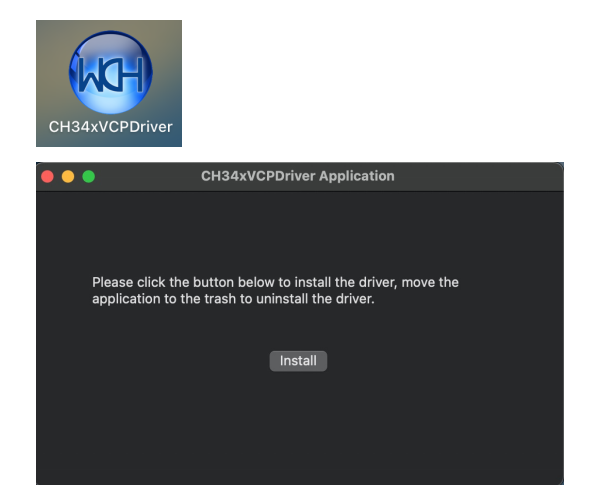
Then open “LaunchPad” → “CH34xVCPDriver” → Install.
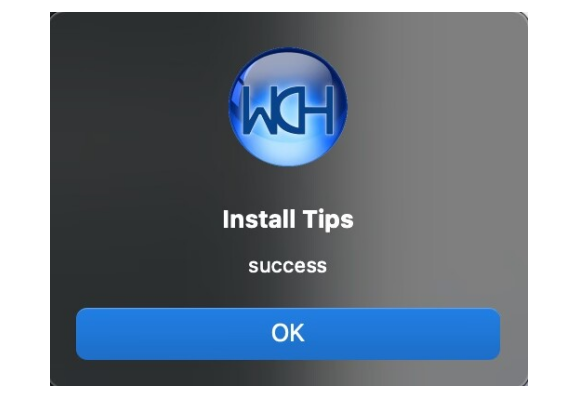
Then the installation will be successful.
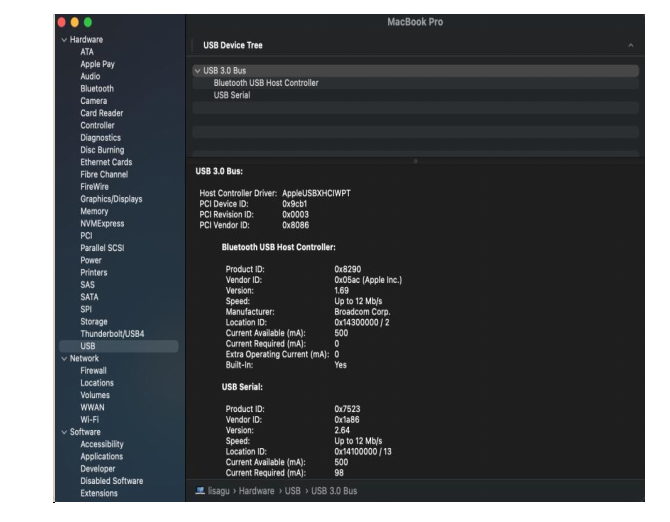
When inserting the CH340 control board into the USB port, open System Report -> Hardware ->USB. On the right is USB Device Tree. If the USB device is working properly, you will find a device whose “Vendor ID” is [0x1a86].
Open “Terminal” program under Applications-Utilities folder and type the command “ls /dev/tty*”.
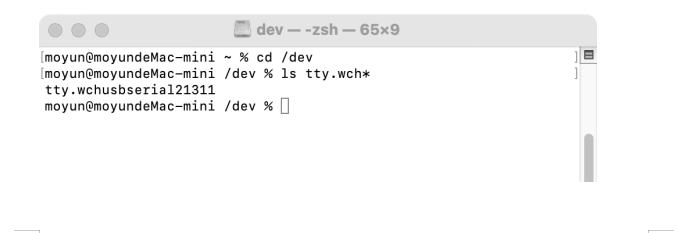
You should see the “tty.wchusbserialx” where “x” is the assigned device number similar to Windows COM port assignment.
3. Arduino IDE Setting
Click icon to open Arduino IDE.
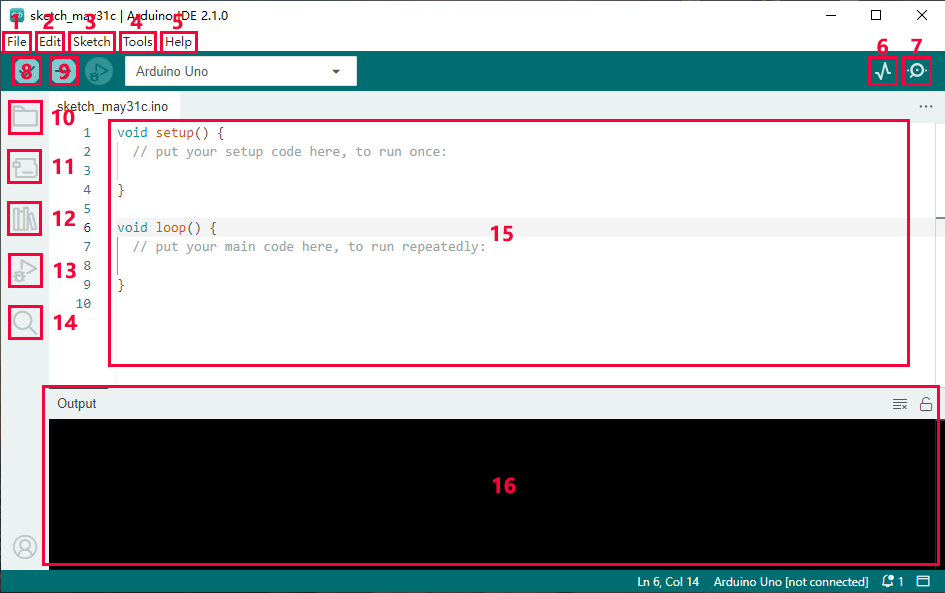
1.“File”: Including New Sketch, Open…, Sketchbook, Examples, Close, Save(Save as…), Preferences, Advanced…, etc.
2.“Edit”: Including Copy, Paste, Auto Format, Increase/Decrease Font Size, etc. Commonly, you can use shortcuts to do these operations.
3.“Sketch”: Including Verify/Compile, Upload, Include Library, etc.
4.“Tools”: Including Board and Port, which are two of the most important functions.
5.“Help”: Including Check for Updates as well as some official data references.
6.“Serial Plotter”: To display the data from serial port in the way of a line chart.
7.“Serial Monitor”: To prints the data from serial port.
8.Verify code.
9.Verify and upload code.
10.“Sketchbook”: To create a new sketch, or sign in to Arduino Cloud to sync and edit your Cloud Sketches.
11.“Boards Manager”: To install or remove development board.
12.“Library Manager”: To install or remove library.
13.“Debug”: To monitor code and debug breakpoints.
14.Search.
15.Sketch editing area.
16.IDE Output: To report error or successful uploading, and to display data from serial monitor.
4. Upload Code via Arduino IED
for Windows
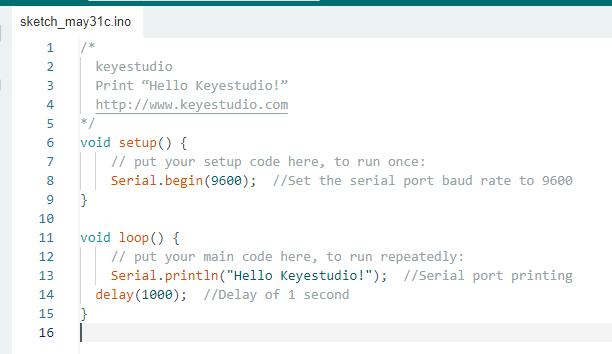
Upload code: An examples code is provided here: it will print “Hello Keyestudio!” per second.
Copy and paste the following code to Arduino IDE:
/*
keyestudio
Print “Hello Keyestudio!”
http://www.keyestudio.com
*/
void setup() {
// put your setup code here, to run once:
Serial.begin(9600); //Set the serial port baud rate to 9600
}
void loop() {
// put your main code here, to run repeatedly:
Serial.println(“Hello Keyestudio!”); //Serial port printing
delay(1000); //Delay of 1 second
}
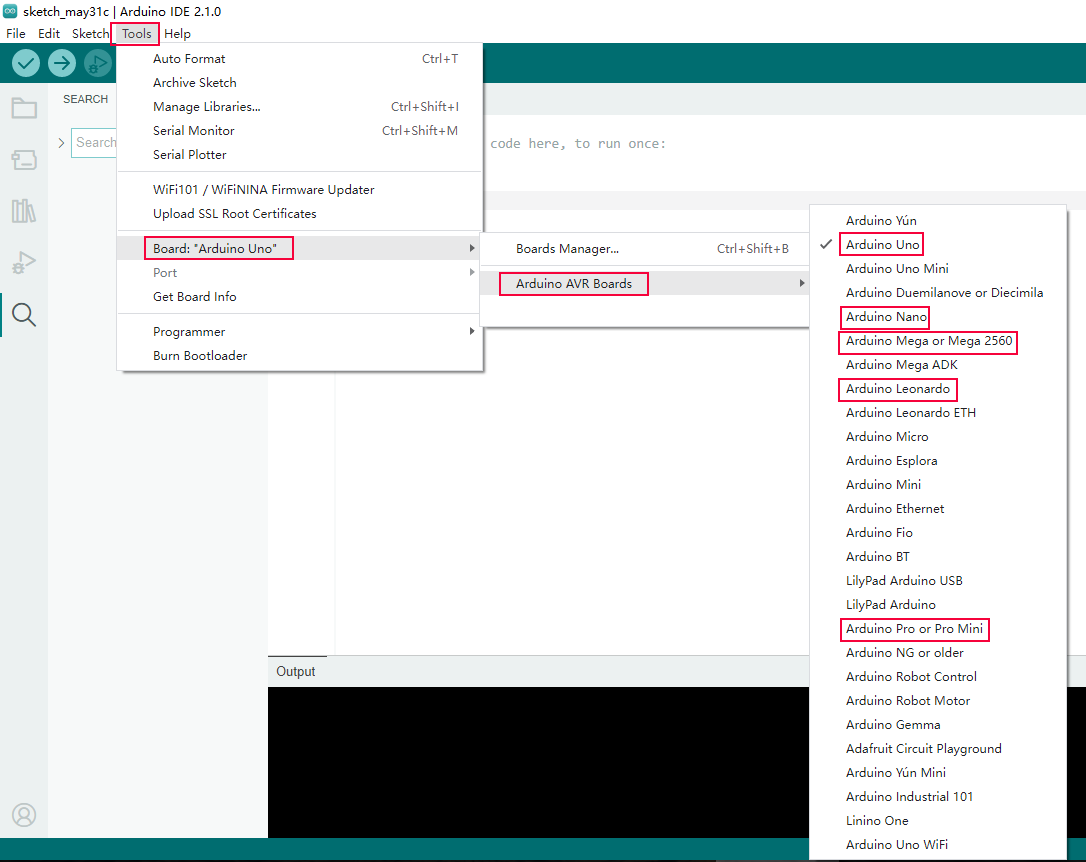
Click “Tools”——>“Board”——> Arduino AVR Boards, and here we choose Arduino Uno as our development board.
Choose the correct COM port.
If there are so many ports that you have no idea which is the correct one, you may unplug the board to check which one disappears. If there is no COM port, please check whether the driver is installed.
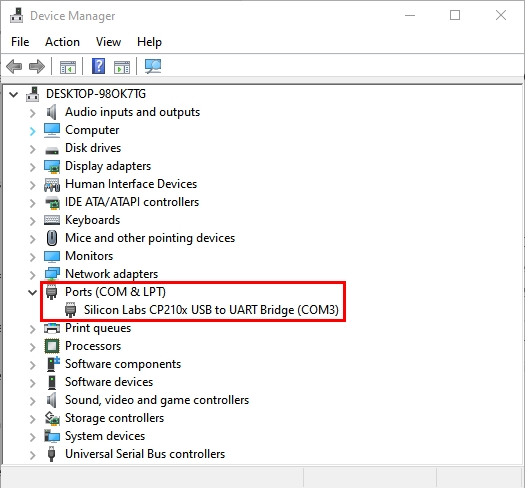
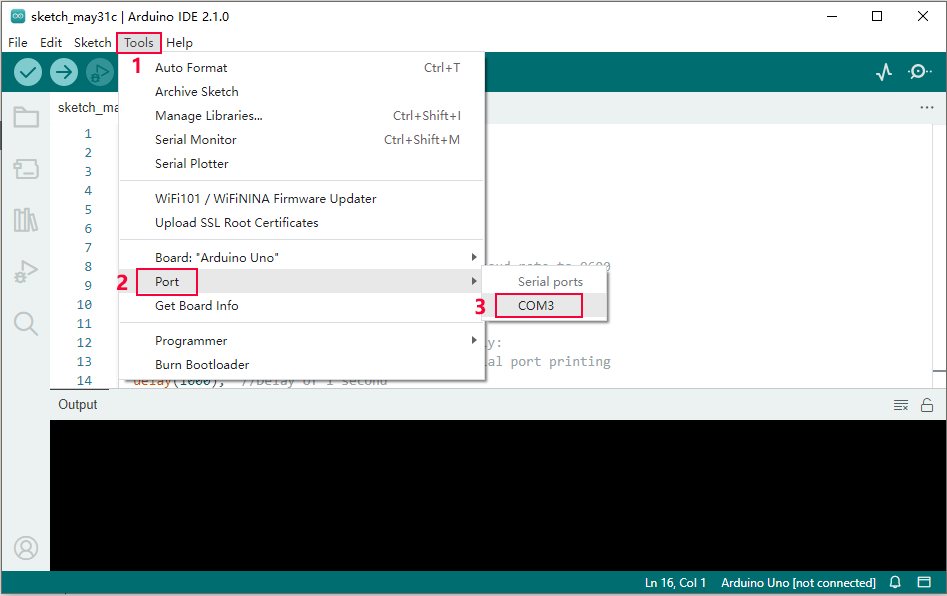
In our demostration, the port is COM3, so we click “Tools”to choose“COM3” in “Port”.
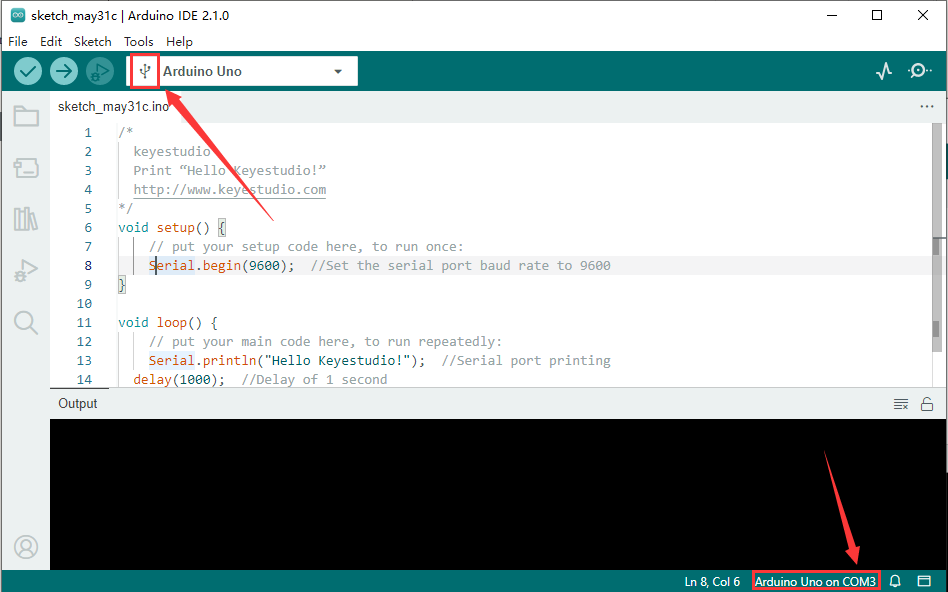
If your board is successfully connected, it will show on the interface.
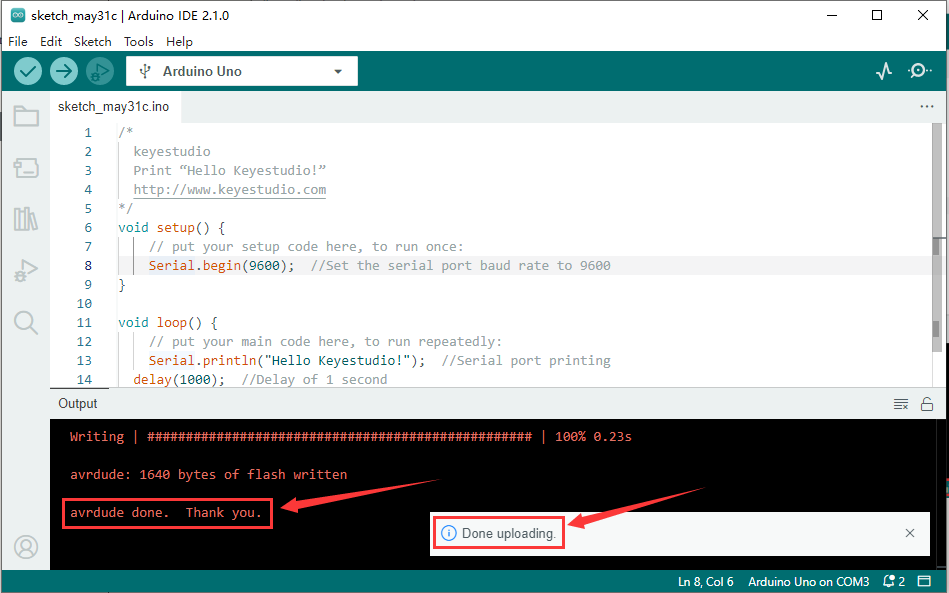
Click  to compile the code. If it succeeds, the following two show up:
Click  and set baud rate to 9600, and “Hello Keyestudio!” are being printed!
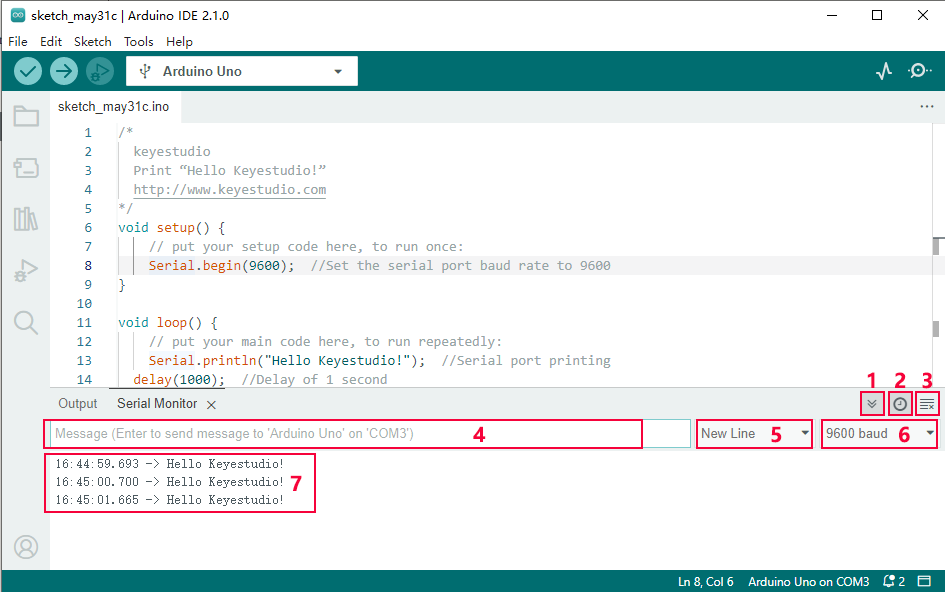
1.“Toggle Autoscroll”: To set whether to follow the print.
2.“Toggle Timestamp”: To set whether to display printing time.
3.“Clear Output”: To clear the output data
4.Serial Input
5.Serial port sending format
6.Baud rate: To set the baud rate.
7.Printing box.
This is the end of how to upload code!
Now please import libraries for IDE, otherwise an error will occur.
for Mac
Upload code: An examples code is provided here: it will print “Hello Keyestudio!” per second.
Copy and paste the following code to Arduino IDE:
/*
keyestudio
Print “Hello Keyestudio!”
http://www.keyestudio.com
*/
void setup() {
// put your setup code here, to run once:
Serial.begin(9600); //Set the serial port baud rate to 9600
}
void loop() {
// put your main code here, to run repeatedly:
Serial.println(“Hello Keyestudio!”); //Serial port printing
delay(1000); //Delay of 1 second
}
Click “Tools”——>“Board”——> Arduino AVR Boards, and here we choose Arduino Uno as our development board.
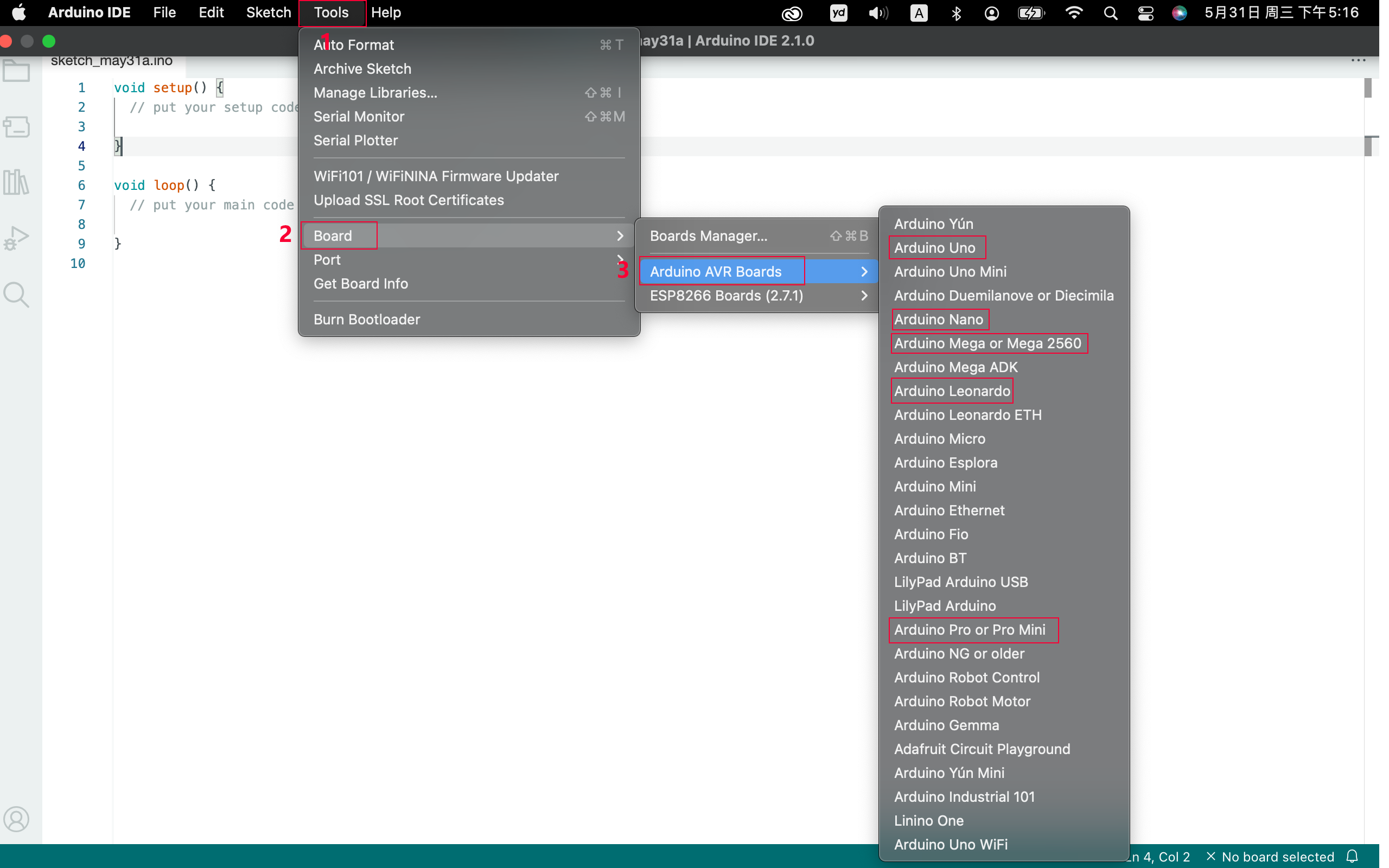
Choose the correct COM port.
If there are so many ports that you have no idea which is the correct one, you may unplug the board to check which one disappears. If there is no COM port, please check whether the driver is installed.
In “Tools”, click “Port” to select “/dev/cu.usbderial-0001”.
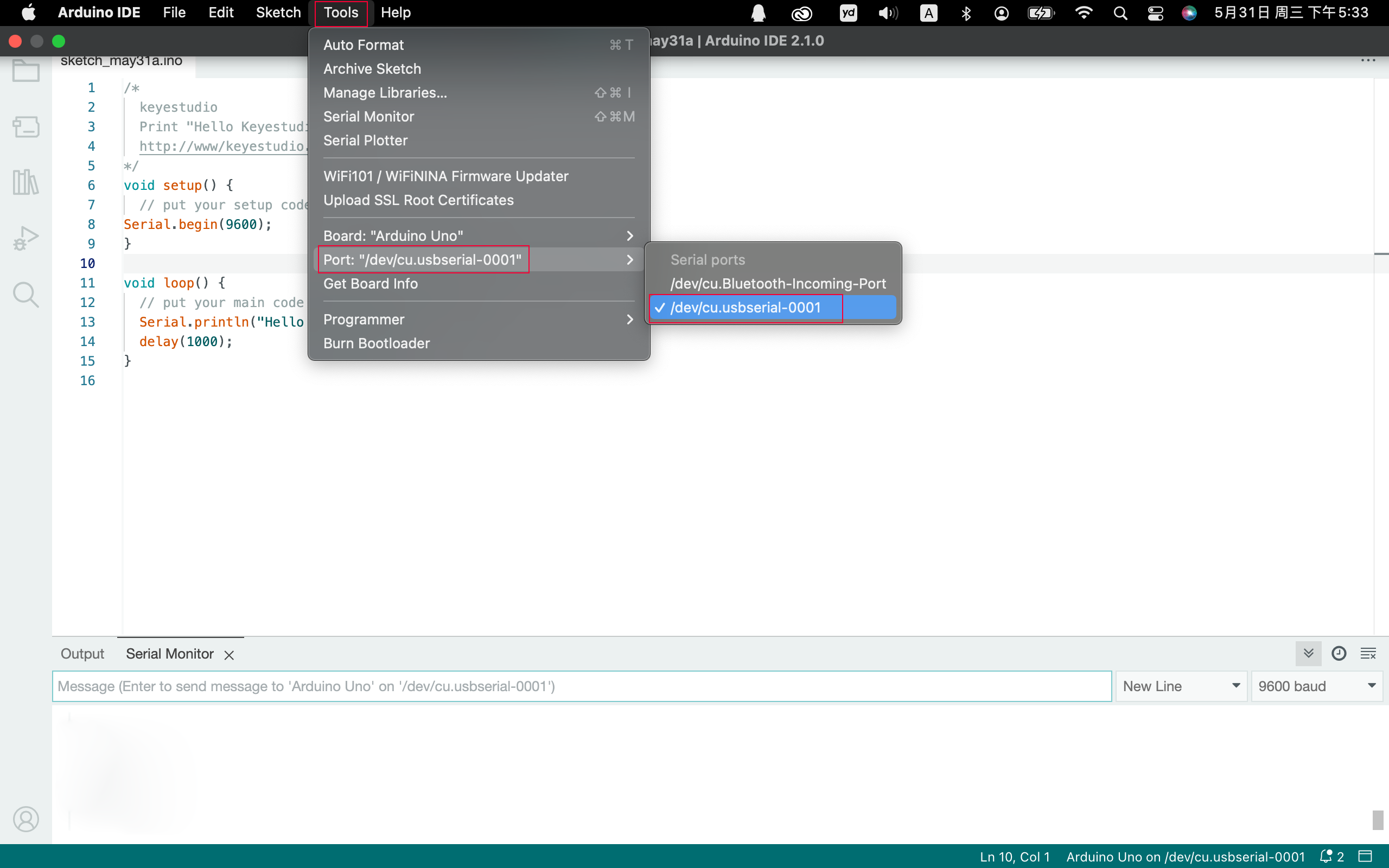
If your board is successfully connected, it will show on the interface.
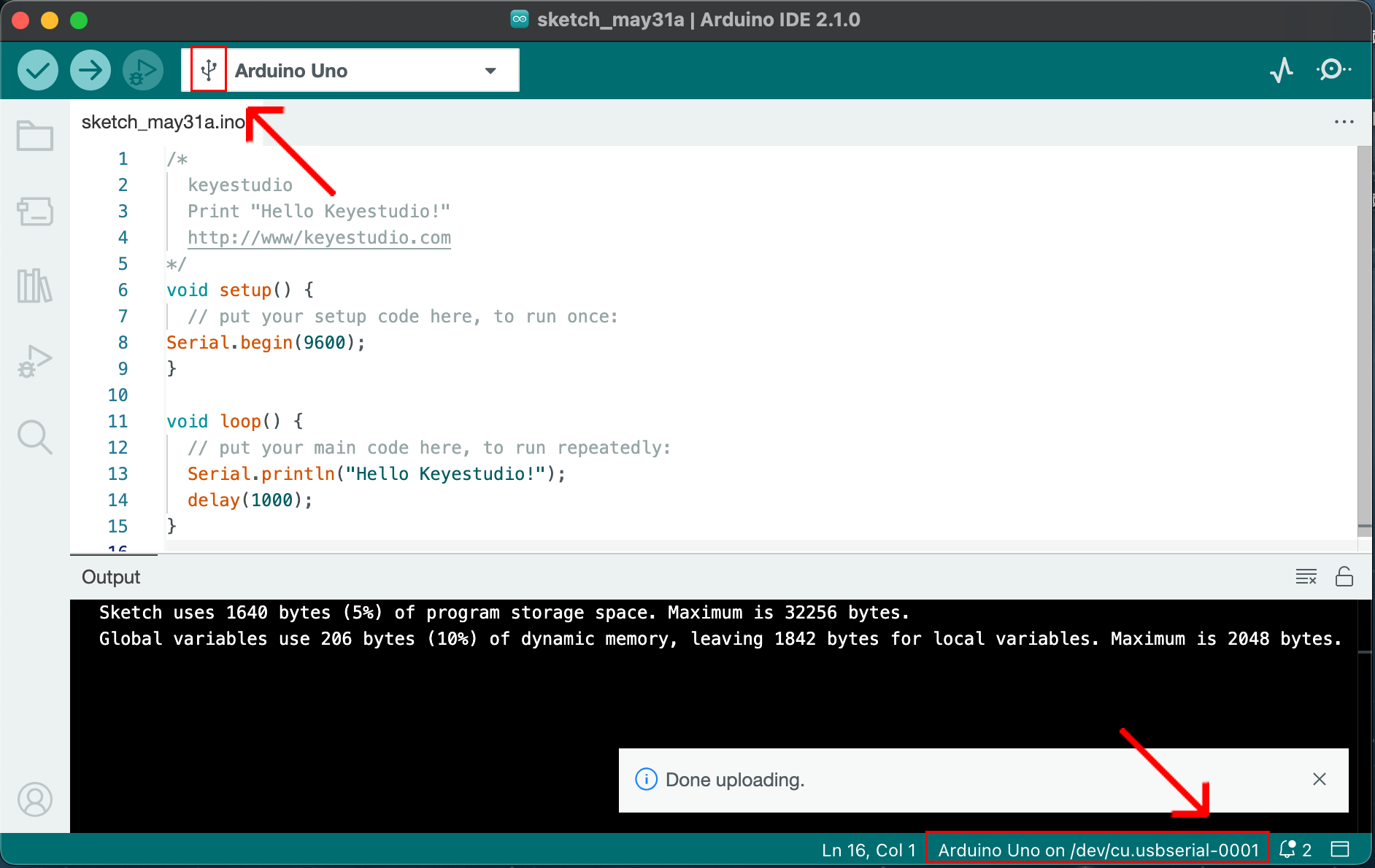
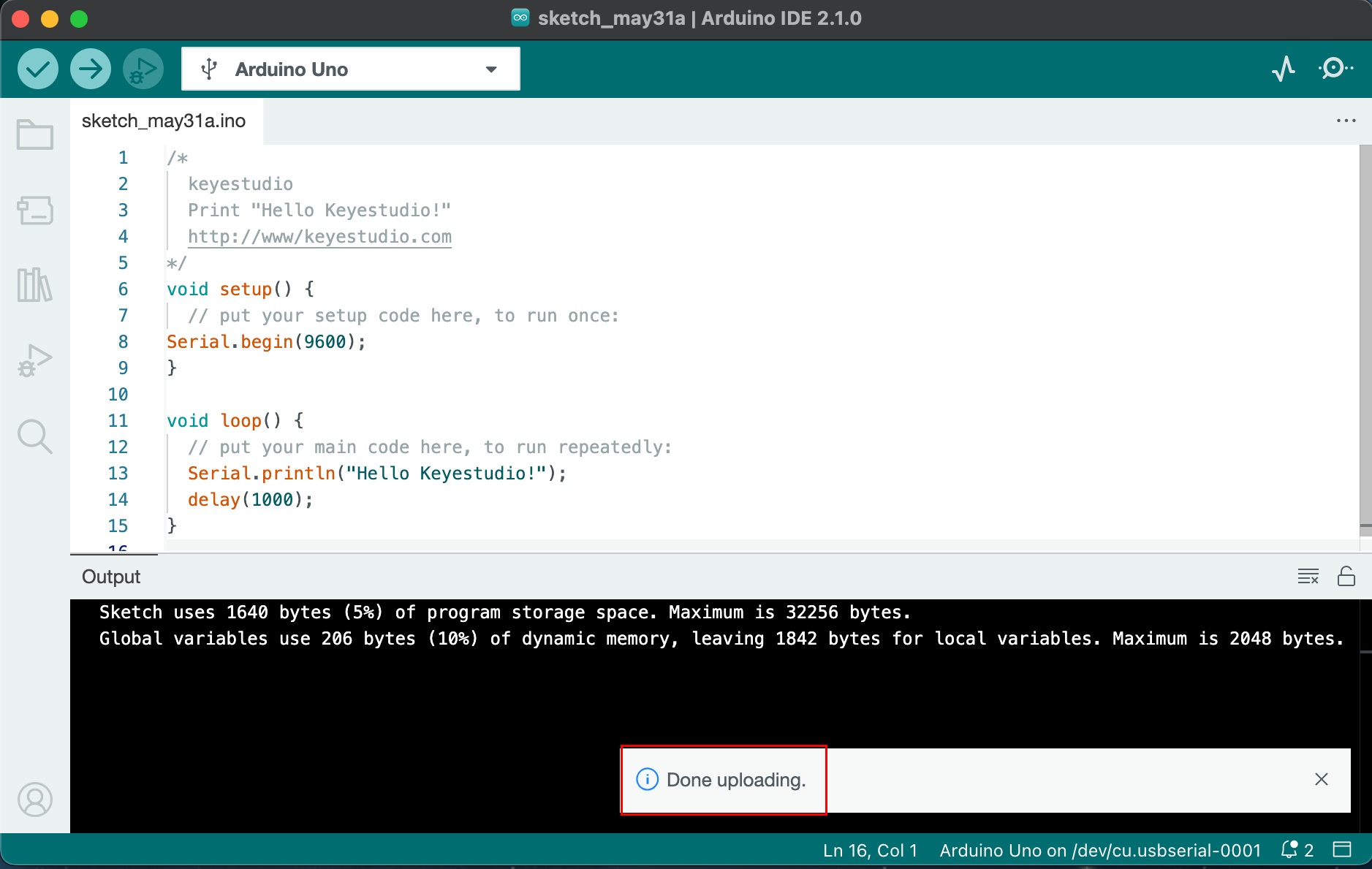
Click to compile the code. If it succeeds, the following two show up:
Click and set baud rate to 9600, and “Hello Keyestudio!” are being printed!
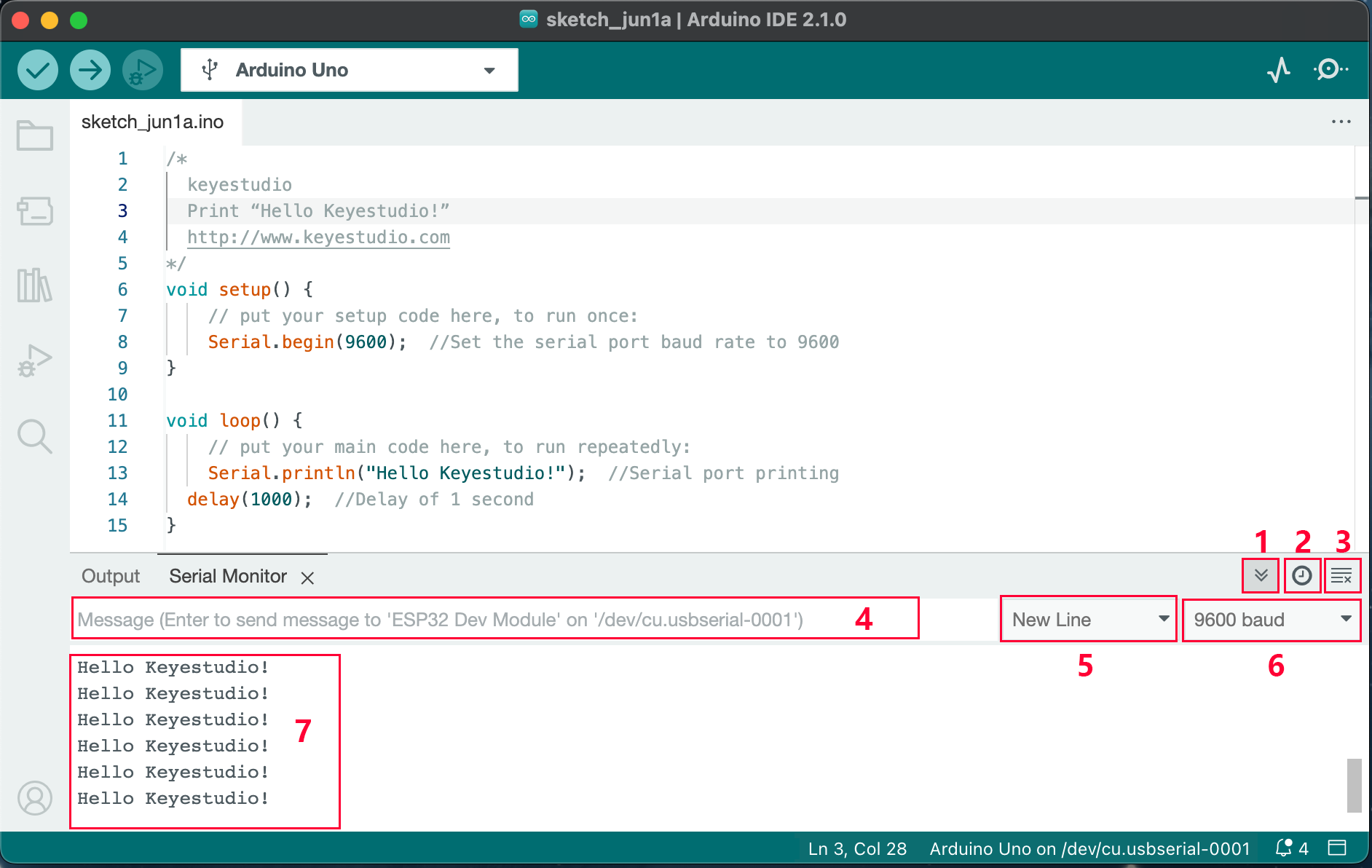
1.“Toggle Autoscroll”: To set whether to follow the print.
2.“Toggle Timestamp”: To set whether to display printing time.
3.“Clear Output”: To clear the output data.
4.Serial Input
5.Serial port sending format
6.Baud rate: To set the baud rate.
7.Printing box.
This is the end of how to upload code!
Now please import libraries for IDE, otherwise an error will occur.